Valtoranix

Workplace Activity Scheduling Guide

Information about planning and organizing office activities

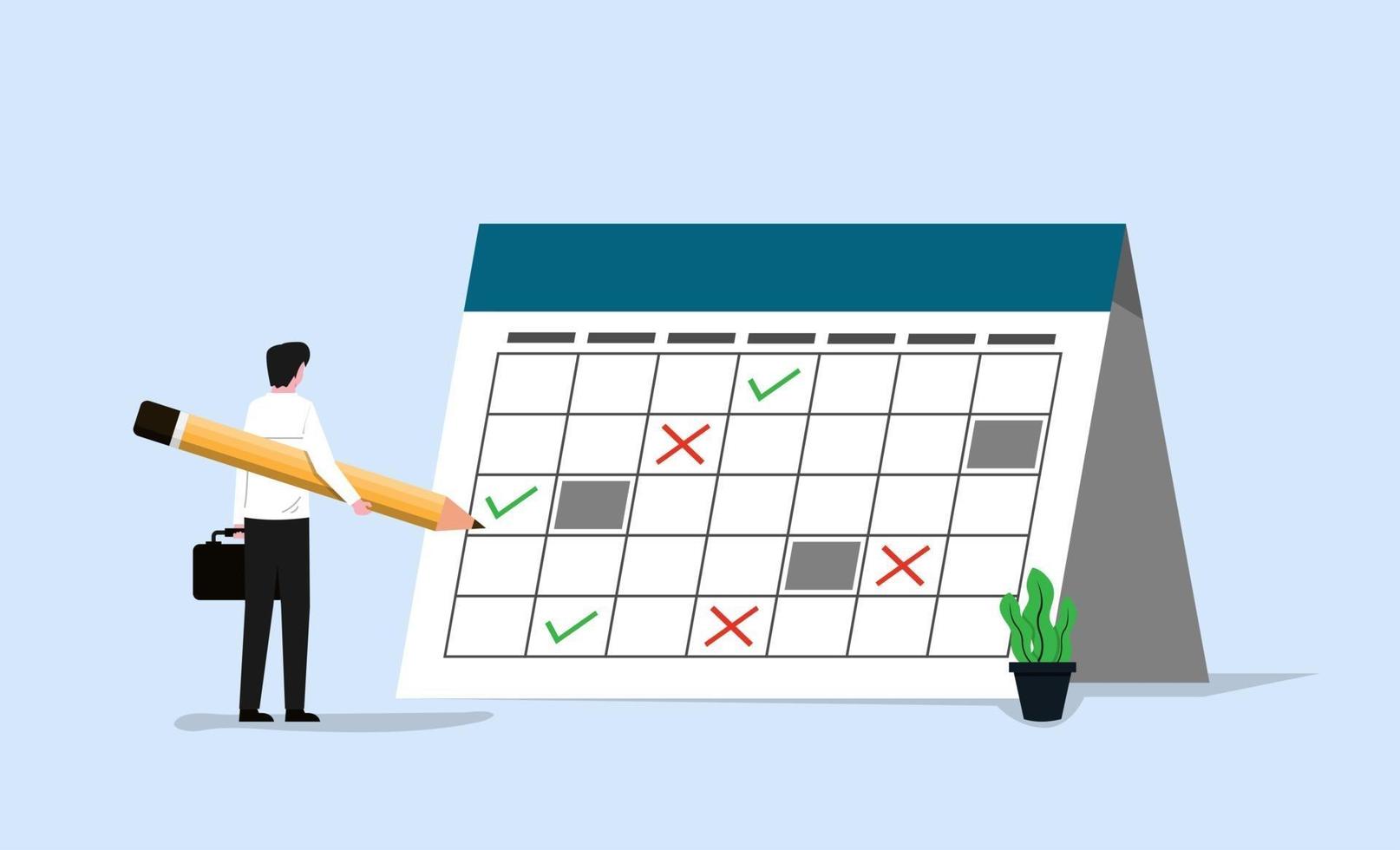
Calendar and scheduling board for workplace activity planning

Scheduling Basics

Fundamental concepts for workplace activity planning

Time Considerations

When planning workplace activities, consider the natural rhythm of the workday. Mid-morning and mid-afternoon periods are commonly used for scheduled breaks.

  • Identify suitable time slots
  • Consider work schedules
  • Allow adequate duration
  • Include transition time

Frequency Options

Organizations may establish regular schedules for workplace activities. Consistency can help with routine establishment.

  • Daily short breaks
  • Weekly group sessions
  • Monthly events
  • Quarterly reviews

Implementation Approaches

Methods for introducing activity schedules

Communication

Organizations typically communicate schedules through email, calendar systems, and workplace displays.

Accessibility

Activity planning should consider different employee needs and preferences.

Flexibility

Schedules may include flexibility to accommodate meetings and deadlines.

Planning Tools

Systems that organizations use for activity scheduling

Digital Calendars

Many organizations use shared calendar systems to schedule activities and send reminders.

  • Automated reminders
  • RSVP tracking
  • Recurring events
  • Mobile access

Physical Displays

Some workplaces use visible schedules in common areas as reminders.

  • Weekly schedule boards
  • Activity timers
  • Participation charts
  • Information displays

Schedule Adjustment

Reviewing and modifying activity schedules

Review Process

Organizations may review participation patterns and gather feedback to identify schedule adjustments.

  • Participation reviews
  • Feedback collection
  • Timing adjustments
  • Activity rotation
  • Seasonal modifications
  • Preference consideration

Important Notice: All materials and practices presented are for educational and informational purposes only and are intended to support general workplace planning. They do not constitute medical diagnosis, treatment, or advice. Individuals should consult qualified healthcare professionals before beginning any new physical activity, especially those with existing health conditions.

Need Scheduling Assistance?

Contact us to discuss workplace activity scheduling services

Contact Us